
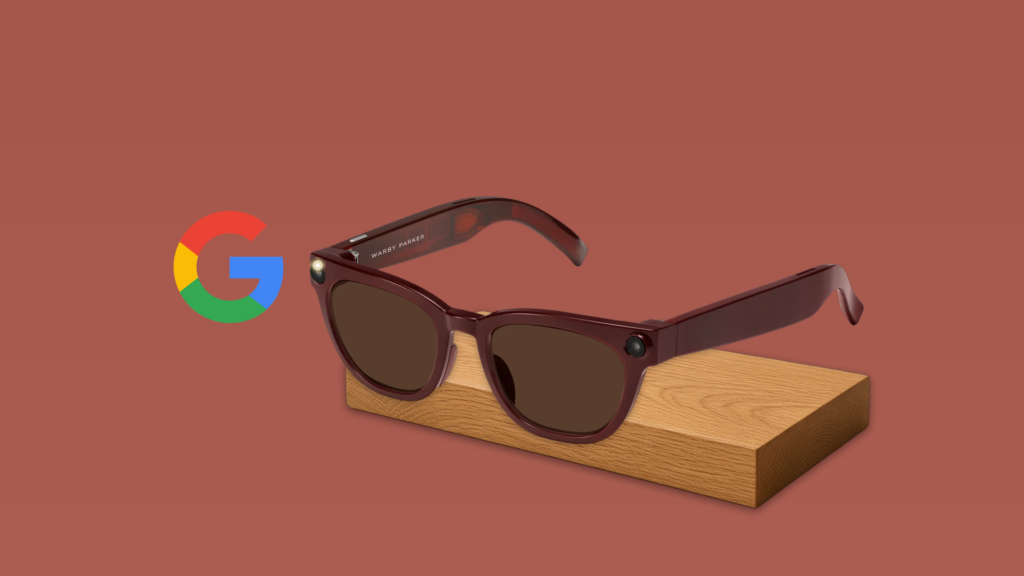
Google on Thursday opened pre-orders for Intelligent Eyewear, Gemini-powered glasses designed with Warby Parker, Gentle Monster, and Samsung. Warby Parker’s three styles, Alden, Reid, and Wren, start at $395 for optical or sun frames. Gentle Monster’s six designs start at $449. Ars Technica and The Verge, which published a hands-on report, also covered the launch. Google said the glasses are due to ship and reach stores on Dec. 10.
The frames have no displays in the lenses, Ars Technica reported. Users start Gemini by saying “Hey Gemini” or tapping the frames, Google said. The glasses include a 12-megapixel ultra-wide camera, open-ear speakers, and frames that weigh about 41 grams. Google said battery life is up to nine hours, with a charging case that can recharge the frames up to seven times. Starting prices do not include higher-cost prescription options, Ars Technica noted.
Google said Intelligent Eyewear works with Google accounts from the United States and South Korea and requires a compatible account for users 18 or older. Supported phones, it said, include Pixel 7 and newer devices, specified Samsung Galaxy models running One UI 9 or later, and iPhone 13 Pro and later. Ars Technica reported that Warby Parker is selling the glasses only in the United States, and that Gentle Monster frames will be available in the United States and South Korea.
Google is pitching privacy protections “on both sides of the lens.” It said an indicator light lets people nearby know when a photo or video is taken, and that the glasses are designed to stop recording if the light is covered; each pair has an off switch. Camera visuals sent to Gemini are not saved in Gemini History and are not used to train AI models or target ads, Google said, and bystanders’ faces are redacted before those visuals are processed. Ars Technica, citing Google, said real-time facial recognition is not allowed and that Play Store apps will not be allowed to live-stream from the glasses to social media. The Verge reported the same limits under Google Play policies, including a bar on changing how the LED light works. In The Verge’s hands-on, Gemini declined to identify people in view, citing privacy protections. Juston Payne, Google’s senior director of product management for XR, told The Verge the company will not train Gemini on the glasses’ camera data and will not target ads on the device.
AI-enabled glasses have already drawn regulatory attention abroad, including a proposed temporary ban in Norway that AI Tech Daily reported.