
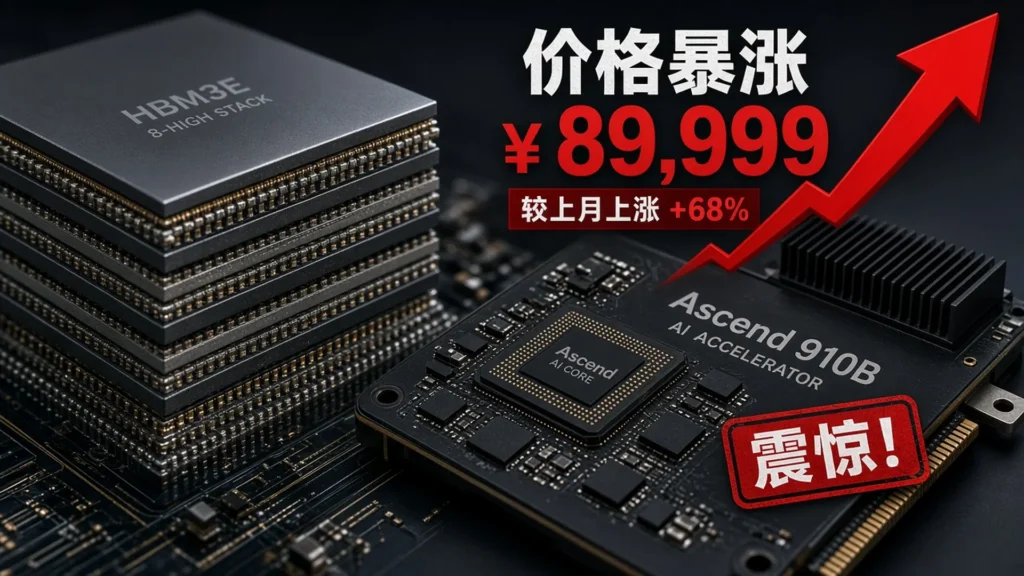
Chinese AI chipmakers including Huawei and Cambricon have sharply raised prices on current and next-generation AI processors as soaring high-bandwidth memory costs squeeze efforts to build domestic alternatives to Nvidia, Reuters reported on September 10, citing three people familiar with the matter.
Huawei has lifted the indicated price of its Ascend 950DT accelerator card — an AI processor bundled with memory and other components — to above 250,000 yuan (about $37,255), two people said. That is 20% to 50% above quotes given to customers two months earlier, depending on contract terms. Huawei has said the 950DT, its most advanced AI chip, is due in the fourth quarter of 2026. Bloomberg separately reported a roughly 60% jump over three months to the same 250,000-yuan level for some clients.
Beijing-based Cambricon has also repriced its next-generation chip, tentatively called the 690, at 20% to 30% above levels indicated two months ago, without a public list price, two sources told Reuters. Smaller rivals MetaX and Iluvatar CoreX made similar increases, the people said. Older Huawei boards are climbing too: Ascend 950PR from roughly 60,000 yuan early this year to more than 80,000 yuan, and Ascend 910C from about 90,000 yuan to more than 110,000 yuan.
The story behind the sticker shock is HBM. Advanced stacks from SK Hynix, Samsung, and Micron dominate supply. After Washington tightened controls on certain advanced HBM exports to China in December 2024, Chinese chipmakers have leaned on grey-market channels that can cost several times the price buyers elsewhere pay, Reuters’ sources said — and memory is a large share of an accelerator’s bill of materials. Huawei, Cambricon, MetaX, and Iluvatar CoreX did not respond to Reuters. This brief covers the September 10 Reuters exclusive and corroborating Bloomberg pricing; it does not adjudicate grey-market sourcing claims.