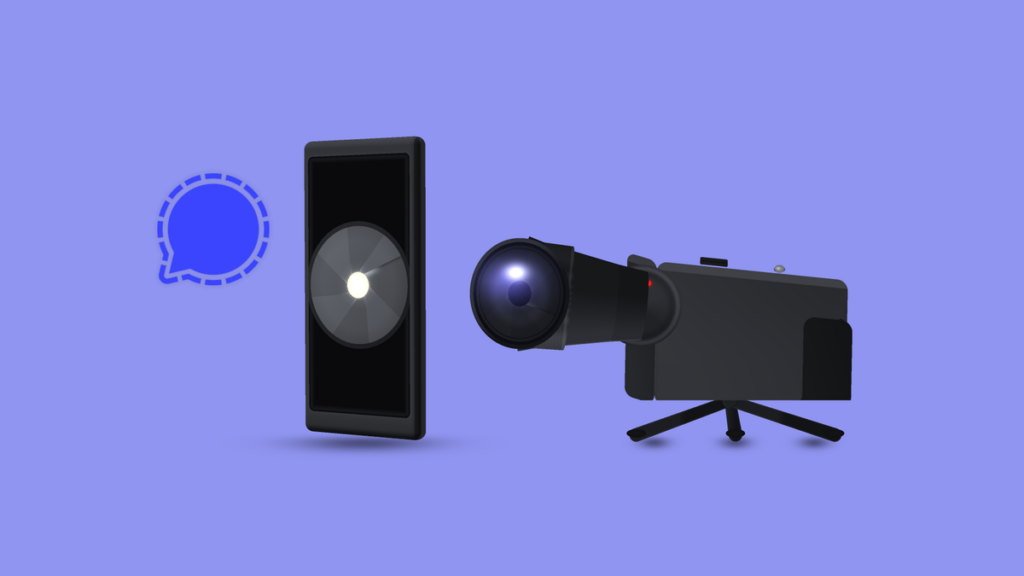
Signal said Friday it is restricting screenshots so AI agents built into mobile operating systems cannot capture and store users’ chats, according to a blog post on its site. As first reported by Reuters, in a dispatch by Katie Paul, the encrypted messaging service warned that the industry’s push to embed AI in consumer devices is eroding its ability to guarantee privacy.
The company said it will prevent screenshots in the app on iOS 27. On Android versions where it can detect an AI assistant trying to read the Signal screen, it said it will automatically enable the app’s “Screen security” setting. Signal said it used similar screenshot blocking last year to prevent Microsoft’s Recall AI from capturing Signal messages on Windows 11 by default. It said it cannot reliably offer the same protections on macOS, and recommended that macOS 27 users add Signal to the Excluded Apps list under Siri in System Settings.
People can turn the protection off in Signal’s settings, the post said, but doing so “will potentially expose your (and your contacts’) Signal content to these AI agents, and break our privacy guarantees.” Signal called the remedy incomplete, saying screenshot limits do not stop other ways agents might retrieve data already on a device, including through the filesystem.
Reuters said the new restrictions will be on by default, and that users will get pop-up options to disable the blocks when Signal detects screenshot attempts or an AI assistant trying to access the screen, depending on the device.
Signal said operating-system AI agents scan what is on a user’s screen, then make that data available to a local database or a remote server outside Signal’s control. “Right now, these agentic AI integrations are changing this environment in a way that’s making it increasingly hostile to privacy,” the post said. “This is an existential threat to Signal, and our ability to responsibly uphold our mission.”
The company called on Apple, Google, and Microsoft to give developers a documented way to opt apps out of AI data access, including screen reading, filesystem access, and notifications, and to publish clearer technical specifications for how the agents work. It also said third-party agents, including Meta’s Muse, can use deep permissions granted at setup, including accessibility settings.