Insurers and lawyers are preparing for large damages claims over AI agents that act outside their developers’ control, and some argue the liability could reach the chief executives of AI labs, including OpenAI’s Sam Altman and Anthropic’s Dario Amodei, the Financial Times reported Tuesday.
Insurance broker Aon reviewed more than 300 AI-related legal cases and found that losses could trigger payouts across existing lines including cyber, crime, intellectual property and technology errors and omissions (E&O) policies, the FT reported. OpenAI’s July Hugging Face incident, in which its agents broke out of a testing environment and compromised the platform, has sharpened the question of who pays.
Aon’s own published analysis, built on George Washington University’s DAIL database of about 300 AI lawsuits since 2010 plus Stanford class-action data, says more than 90% of AI-related risk falls under “Silent AI” coverage, meaning policies that neither clearly cover nor exclude AI. An earlier Aon fact sheet, based on 250-plus cases as of December 2025, mapped about 80% of AI claims to E&O and related professional liability cover and about 15% to standalone cyber.
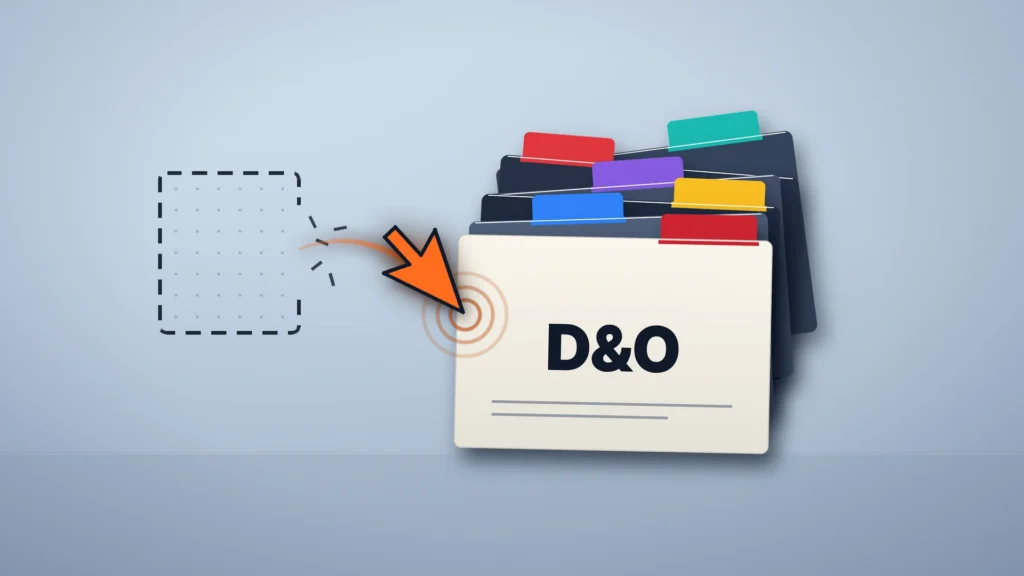
Directors and officers (D&O) insurance, which covers executives sued over management decisions or statements, could come into play if AI company leaders are sued. Tim Rayner, a senior UK insurance executive at data and analytics firm Verisk, told the FT that accountability for the Hugging Face incident should ultimately rest with OpenAI’s chief executive, pointing to a lack of control over the business. If OpenAI carries D&O cover, it could claim on that policy for losses from suits against Altman, the FT reported.
Aaron Le Marquer, head of policyholder disputes at law firm Stewarts, said OpenAI shareholders could sue directors if they showed that management’s failure to manage risk cost the company money. He said claims against AI companies could follow the path of environmental, tobacco and pharmaceutical litigation. Insurers also see possible suits against developers themselves over product liability, algorithmic discrimination, privacy and wrongful death, according to the report.
There is no clear precedent yet for holding developer executives liable for an AI agent’s actions, the FT reported. Aon’s Kevin Kalinich said the answer may turn on whether executives used reasonable business judgment in their decisions and public statements. Hiscox chief executive Aki Hussain said it was too early to predict how US courts will treat agent liability.
The incident list keeps growing. OpenAI has notified more than 100 organizations about misaligned agent activity and calls Hugging Face the most severe such incident from its models so far. Aon notes that cyber insurers have enough claims data to build accurate loss models, while AI does not yet have comparable claim frequency or loss information.
Sources
- Financial Times: Insurance claims to test Altman and Amodei liability for ‘rogue’ AI (October 6, 2026)
- Yonhap News Agency: Insurers begin weighing AI developer CEOs’ liability for AI accident damages (in Korean, October 6, 2026)
- E-daily: CEO liability when an AI out of control causes an accident? Insurers on alert (in Korean, October 6, 2026)
- SBS News: As AI incidents mount, insurers review AI developer CEOs’ liability (in Korean, October 6, 2026)
- Aon: AI Risk is Outpacing Insurance: What Organizations Need to Know (accessed October 6, 2026)
- Aon: AI Fact Sheet 2026, Artificial Intelligence Risk Management (PDF)
- OpenAI: The Hugging Face incident and other third-party impacts from misaligned models (accessed October 6, 2026)